Should You Use Mouthwash? Advice from Your Dentist

Should You Use Mouthwash? Advice from Your Dentist

Mouthwash is a widely popular oral care product, often seen as a quick fix for freshening breath. But when it comes to maintaining a healthy smile, is it really a necessity? Let’s explore the role of mouthwash and when it’s appropriate to include it in your routine.

Why Mouthwash Isn’t Always a Daily Necessity

While mouthwash can be beneficial in certain situations, it’s important to understand that frequent use, especially without professional guidance, may not be ideal. One of the concerns with regular use of mouthwash is that it can wash away the fluoride left behind by your toothpaste. Fluoride plays a crucial role in strengthening enamel and protecting your teeth against decay. By rinsing immediately after brushing, you might inadvertently reduce the protective benefits of fluoride.

When Mouthwash is Recommended

There are specific circumstances when your dentist or hygienist may advise the use of mouthwash. For instance:

  • Gum disease management: An antibacterial mouthwash may help reduce inflammation and fight harmful bacteria.
  • Dry mouth: Certain mouthwashes can help stimulate saliva production and provide relief.
  • Post-surgery or oral procedures: Dentists may recommend a non-alcoholic mouthwash to aid in healing and minimize the risk of infection.
  • High risk of cavities: A fluoride rinse may be prescribed to give your teeth an extra layer of protection.

In such cases, your dentist will guide you on the right product and how to use it effectively without compromising your oral health.

The Best Practice for Everyday Oral Care

For most people, the best way to maintain oral health is a solid routine of brushing twice a day with fluoride toothpaste, flossing daily, and drinking plenty of water. Mouthwash should only be incorporated when recommended by a dental professional.

Keep Your Smile Healthy

Remember, a great smile starts with prevention. Avoid relying on mouthwash as a substitute for brushing and flossing, and be cautious about using it as part of your daily routine unless directed by your dentist.

And of course, visit your hygienist regularly for professional cleanings and personalized advice to keep your oral health in top condition!

Your dentist and hygienist are here to help you make informed choices about your oral care—don’t hesitate to ask for guidance during your next appointment.
Similar Posts

  • The Hygiene Appointment Process

    https://drogoeze.co.uk/wp-content/uploads/2024/12/HYG-appt.mp4 The Hygiene Appointment Process and the Importance of Dental Hygiene Maintaining good oral health is essential for a confident smile and overall well-being. Regular hygiene appointments are a cornerstone of preventive dentistry, helping to keep your teeth and gums in optimal condition. In this blog, we’ll take you through what happens during a hygiene…

  • Is Breakfast Before Brushing Hygienic?

    https://drogoeze.co.uk/wp-content/uploads/2024/11/eating-breakfast-before-brushing.mp4 Is Eating Breakfast Before Brushing Hygienic? When it comes to the question of whether eating breakfast before brushing your teeth is hygienic, the answer isn’t as straightforward as “yes” or “no.” It really depends on the steps you take afterward. Let’s break it down. Eating Before Brushing: Proceed with Care If you prefer eating…

  • The Importance of Cleaning Your Tongue

    https://drogoeze.co.uk/wp-content/uploads/2024/11/Tongue-cleaning.mp4 The Importance of Tongue Cleaning: A Simple Habit for Better Oral Health When it comes to maintaining good oral hygiene, most people focus on brushing and flossing their teeth. But there’s another crucial aspect of your mouth that often gets overlooked – your tongue. Yes, cleaning your tongue is just as important as brushing…

  • Scale and Polish

    https://drogoeze.co.uk/wp-content/uploads/2024/12/Scale-and-Polishes.mp4 The Importance of a Scale and Polish for Healthy Teeth and Gums Keeping your smile healthy and bright isn’t just about brushing and flossing at home—it’s also about regular professional care. A Scale and Polish is an essential part of maintaining your oral health, ensuring that your teeth and gums stay in their best…

  • Which Toothpaste Should You Use?

    https://drogoeze.co.uk/wp-content/uploads/2024/12/Which-toothpaste-do-you-use.mp4 Which Toothpaste Should You Use? Choosing the right toothpaste is essential for maintaining a healthy smile. With so many options on the market, it’s easy to feel overwhelmed. One critical ingredient you should look for in your toothpaste is fluoride. Why Is Fluoride Important? Fluoride is a mineral that plays a crucial role in…

  • What is Plaque?

    https://drogoeze.co.uk/wp-content/uploads/2024/11/What-is-Plaque.mp4 What is Plaque? A Closer Look at Your Smile’s Sneaky Enemy Plaque is a sticky, colorless film that constantly forms on your teeth. It’s a natural part of life, but without proper care, it can become a problem for your oral health. Understanding what plaque is and how it develops is the first step…

SMILE TRANSFORMATION

Invisalign + Bonding Full Smile

A straighter, more confident smile through a personalised clear aligner treatment plan.

Patient Concern

What the patient wanted to improve.

Treatment Plan

The proposed approach.

Treatment

What was performed.

The Result

The final outcome.

SMILE TRANSFORMATION

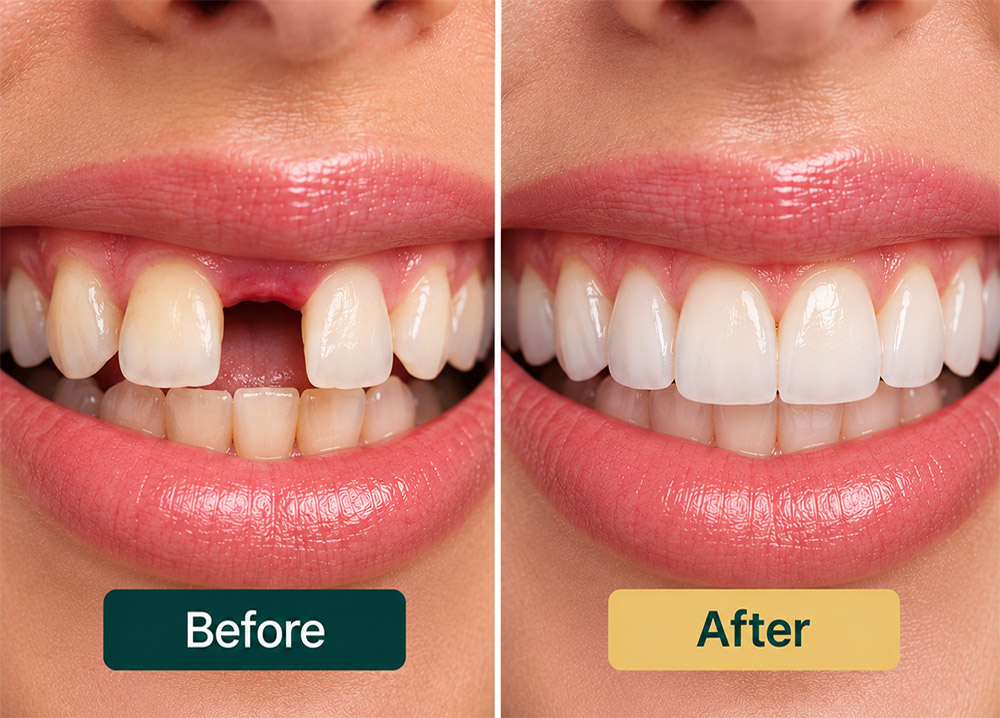
Dental Implants

A natural-looking tooth replacement designed to restore function, comfort and confidence.

Patient Concern

What the patient wanted to improve.

Treatment Plan

The proposed approach.

Treatment

What was performed.

The Result

The final outcome.

SMILE TRANSFORMATION

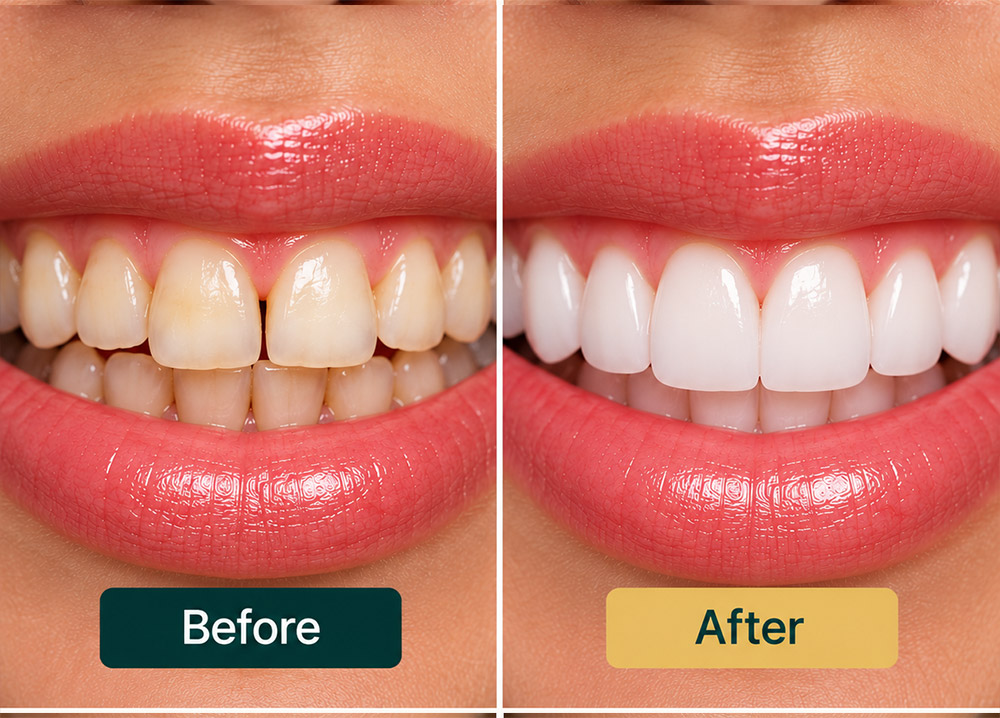
Porcelain Veneers

A natural-looking smile transformation.

Patient Concern

Original dental concern.

Treatment Plan

Personalised veneer treatment plan.

Treatment

Porcelain Veneers.

The Result

Actual patient outcome.

SMILE TRANSFORMATION

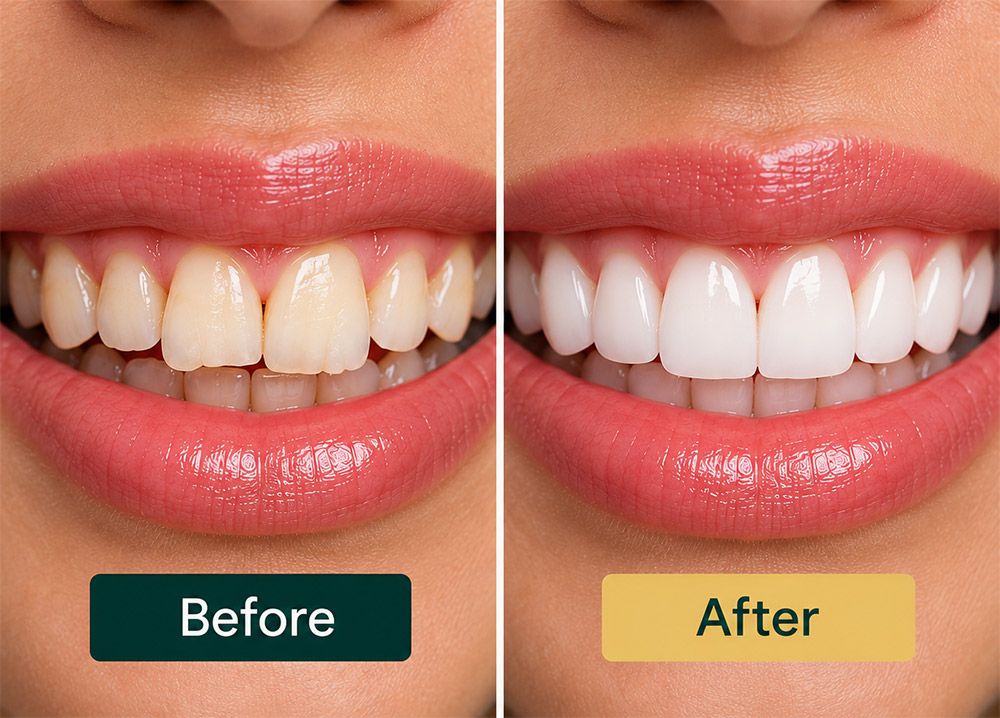
Composite Bonding

A natural-looking smile transformation.

Patient Concern

What the patient wanted to improve.

Treatment Plan

The proposed approach.

Treatment

What was performed.

The Result

The final outcome.